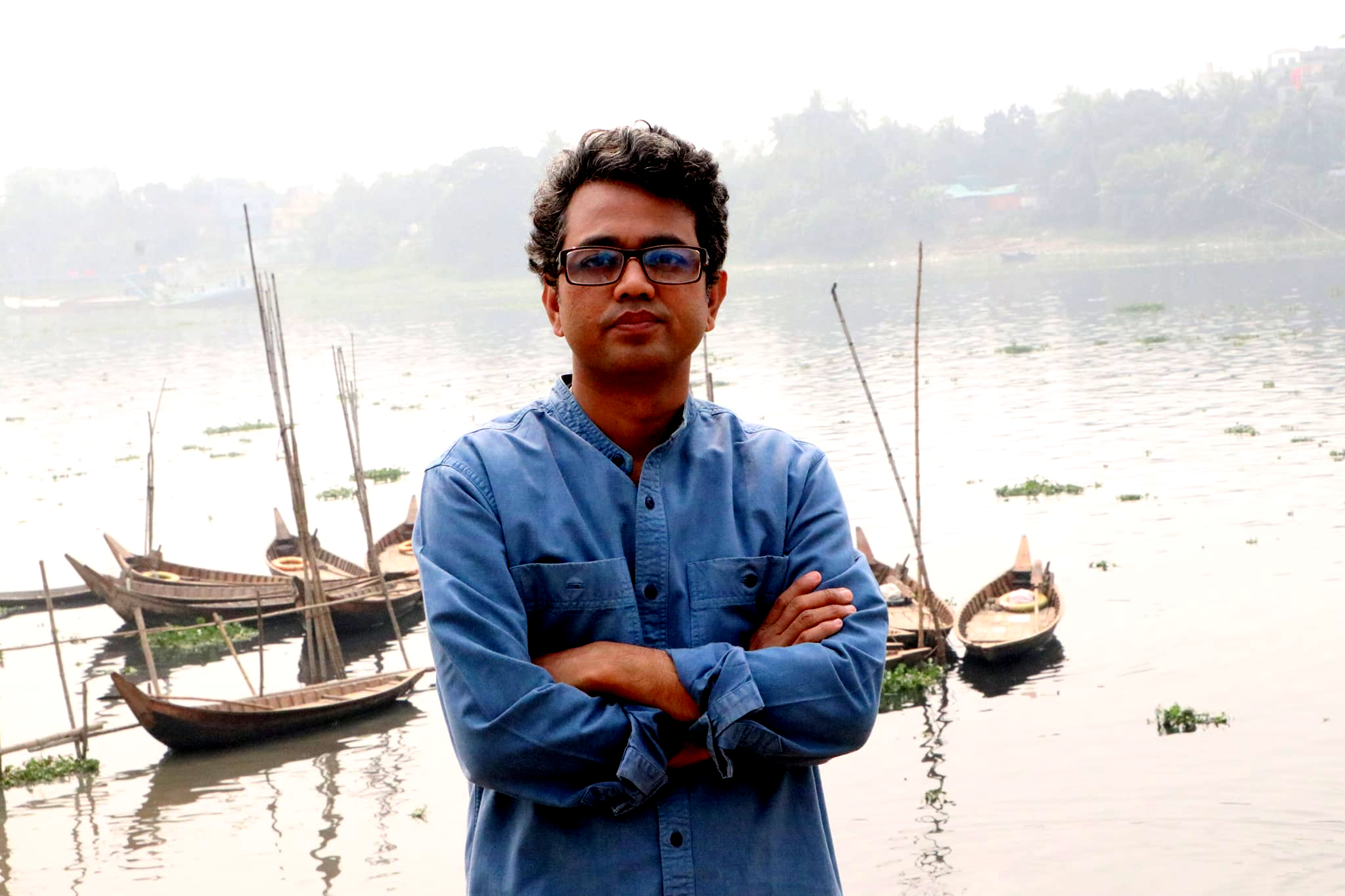
Foysal Ahmed
Norsunda is not only the name of a river—it is the name of an affection. A river that has lived for generations in the emotions and memories of the people of Kishoreganj. The marketplaces and settlements of Kishoreganj once flourished along its banks. This once swift-flowing river was a vital center of trade for the region. Stretching nearly 58 kilometers, Norsunda is recognized as one of the main rivers of Kishoreganj. Through its flowing course, it connects the upazilas of Pakundia, Hossainpur, Tarail, Karimganj, and Sadar, and also touches Nandail of the neighboring Mymensingh district.
Norsunda originates near the Hossainpur-Pakundia border from the Brahmaputra and flows all the way to the Dhanu River of Badla. It is often referred to as a branch of the Brahmaputra. However, due to the absence of any scientific hydrological study, conflicting narratives continue to circulate regarding its origin and course. Yet, no substantial initiative has ever been taken to resolve these questions.
Over the past few decades, the once spirited Norsunda—dear to the people of Kishoreganj—has almost vanished. During the 1980s, the construction of a dam at Kauna in Hossainpur significantly disrupted the river’s natural water flow, leaving Norsunda to slowly die. Today, calling it a river feels almost inaccurate—it has been reduced to a large drainage canal.
In response to this situation, the previous Awami League government undertook a rehabilitation and beautification project for the river. In 2012, a project titled Norsunda ‘River Rehabilitation and Development of Adjacent Municipal Areas’ was launched at a cost of 110 crores BDT. The plan included dredging 35 km of the river—from Kauna to Nilganj and from Manipur Ghat to Jashodal—renovation of three old bridges, construction of six new bridges and four footbridges, 6 kilometers of walkway along both banks, 20 kilometers of roads, eight ghats, two parks, an observation tower, an open stage, pedestrian sheds, and electrification of the riverside pathways.
This project became widely known as the Lake City Project. By branding a river city as a lake city, the first blow to the identity of Norsunda was struck. The long-held plea of the people of Kishoreganj was simple—let Norsunda live again. Instead, the river’s death was accelerated.
Due to mismanagement and failure to implement works as per the master plan, the project faced strong criticism. Allegations of massive corruption surfaced. On 17 August 2016, in the face of public protests, a public hearing was held in the presence of three top government secretaries—yet no solution emerged. The real culprits remain unaddressed.
Time passes. The people’s anguish remains the same—When will our Norsunda be free from encroachment and pollution?
Key issues that emerged following the Lake City Project:
-
Dredging was not carried out properly.
-
Excavated soil was dumped along the banks, encouraging fresh encroachment.
-
The river’s boundaries were marked in straight lines, distorting the natural course.
-
The newly constructed bridges and footbridges are too low, preventing boat movement even in monsoon, let alone dry season.
-
Illegal structures demolished earlier were later allowed to reappear.
-
Due to poor planning, large portions of the river’s land have been newly occupied.
Without addressing these issues, there is no sustainable way to save the river. Yet, some immediate and long-term steps can still revive it.
Immediate Steps:
-
Remove water hyacinths and restore natural water flow.
-
Install nets at the outlets of drains and sewage canals to prevent plastic and waste from entering the river.
-
Reconnect Norsunda with the main Brahmaputra flow based on expert hydrological assessment; construct sluice gates if necessary.
-
Identify primary blockages and begin dredging where required.
-
Introduce passenger boat services through the town to reduce travel cost and traffic congestion.
-
Mark and prohibit waste-dumping hotspots; impose fines and legal measures.
-
Enforce the district-wise list of encroachers published in National River Conservation Commission Report 2018 and begin eviction drives.
Long-term Measures:
-
Prepare a comprehensive list of illegal encroachers along both banks.
-
Permanently remove encroachment and prevent further landfilling.
-
Restore the river’s original boundary according to CS records and relevant laws.
-
Reconstruct low bridges with adequate clearance for water transport.
-
Reestablish navigability throughout the entire course—connecting Pakundia, Hossainpur, Tarail, Karimganj, the haor regions, and Sadar via waterway.
River and environmental activists continue to speak for Norsunda’s protection. The government repeatedly declares that no river encroachment will be tolerated. Yet, the encroachment continues—relentlessly.
We want a final end to this. We want to see the local administration, National River Conservation Commission, and the government take decisive action—so that not even one more inch of this river is taken, polluted, or suffocated again.